

A recruiter team typically combines full-cycle recruiters, sourcers, and coordinators working together to fill open roles and build candidate pipelines.
Companies can build this team in-house, outsource to an agency or RPO provider, or hire dedicated nearshore recruiters who work inside their own process and tools.
If your hiring has outgrown a single HR generalist and you need to scale without overspending, this guide covers the roles you need, how each hiring model compares on cost and control, and exactly how to hire vetted recruiters in days rather than months.
Who Belongs on a Recruiter Team
An effective recruiter team is not one person doing everything. It is a set of specialized roles, each owning a piece of the hiring process. Recruiters do not just fill roles; they build relationships with candidates and maintain extensive networks to reach passive job seekers who are not actively on a job search. Here is who belongs on the team and when each role earns its place.
|
Role |
What They Do |
When You Need Them |
|---|---|---|
|
Talent Acquisition Lead |
Owns recruiting strategy, partners with hiring managers, sets KPIs like time to fill and quality of hire |
Once you hire multiple roles per month across departments |
|
Full-Cycle Recruiter |
Manages requisitions end to end: intake, sourcing, screening, interviews, offers |
When your human resources generalist can no longer keep up with req volume |
|
Sourcer |
Builds pipelines via Boolean search, competitive mapping, and cold outreach to passive candidates |
When you recruit for hard-to-fill or niche roles requiring deep industry knowledge |
|
Recruiting Coordinator |
Schedules interviews, handles candidate communication, sends assessments, maintains ATS hygiene |
When interview logistics slow recruiters down |
|
Recruiting Operations / Analytics |
Tracks KPIs, optimizes tools and workflows, builds reporting dashboards |
Once you have 3–4+ recruiters and need consistent data |
|
Employer Brand Specialist (optional) |
Manages career site, job descriptions, social posts, and employer brand campaigns |
When you compete with leading companies for top talent and care about long-term positioning |
Clearly defined hiring needs help you identify the right recruitment team structure.
Recruitment teams should use applicant tracking systems for better workflow management, and specialized recruiters understand salary benchmarks and labor trends within your industry. Recruiting also entails evaluating potential fit against your organizational culture, not just checking skills off a resume.
How Recruiter Team Structure Changes With Hiring Volume
Recruiter team design depends on hiring volume, role complexity, and budget. There is no universal ratio.
Stage 1 – Early growth: One full-cycle recruiter supports a founder or HR generalist, handling most of the hiring process manually. This person is often your first recruiter, covering everything from sourcing to closing the job offer.
Stage 2 – Scaling: Add a sourcer to feed the recruiter with qualified candidates and a coordinator to own scheduling, candidate experience, and ATS hygiene. A structured approach to hiring at this stage improves collaboration between internal teams and any external support.
Stage 3 – Mature team: Introduce a Talent Acquisition Lead, multiple full-cycle recruiters focused by function (tech, sales, finance, marketing), and shared ops/analytics support. According to SHRM’s 2025 benchmarks, median requisitions per recruiter range from about 6 per year in small organizations to 50–60 in large enterprises, so workload scales dramatically with company size.
These are typical patterns, not strict rules. Adapt structure to your career goals for the business and your budget.

Ways to Hire a Recruiter Team
You can build an in-house team, use a contingency agency, partner with an RPO provider, or hire dedicated nearshore recruiters. Each model trades off cost, control, and speed differently. Hiring a recruitment agency saves significant time and reduces hiring risks, while using recruitment agencies may provide access to candidates not actively seeking jobs. External recruitment support is particularly beneficial for businesses with rapid growth.
|
Model |
Who Manages Them |
Cost Structure |
Time to Start |
Control |
Scalability |
Best For |
|---|---|---|---|---|---|---|
|
In-House Hires |
You employ and manage directly |
Salary + benefits + tools + recruiting overhead |
45–60 days to hire, then ramp |
Highest |
Grows with headcount; adds fixed cost each time |
Predictable, steady hiring volume |
|
Agency (Contingency) |
External firm sources and screens |
Placement fee: 15–25% of first-year salary |
Fast once briefed |
Limited process visibility |
Scales for bursts |
Sporadic hires, executive search, niche roles |
|
RPO |
Provider designs and runs your process |
Retainer + per-hire fees |
Moderate (onboarding period) |
Medium; provider may enforce its own process |
Very scalable at volume |
High-volume, standardized hiring |
|
Dedicated Nearshore |
Provider (Wow Remote Teams) handles payroll/EOR; you direct daily work |
Hourly or monthly billing; lower total cost |
Days to shortlist, weeks to integrate |
High; you own ATS, workflows, process |
Flex up or down with demand |
Ongoing hiring with cost savings and control |
Pricing models for recruitment agencies may include contingency fees or retained search, depending on the engagement type. Recruiting agencies can fill urgent vacancies faster than internal teams, and a dedicated recruitment agency enhances employer branding and candidate experience across the whole process.
Dedicated recruiters vs. RPO: With dedicated nearshore recruiters, you keep full process ownership. Your recruiters work inside your ATS, follow your interview process, and report to you. With RPO, the provider usually controls end-to-end process design and execution on your behalf. RPO offers scalable recruitment support for businesses that want a turnkey solution. Learn more about the benefits of outsourcing the recruitment and selection process to compare both options.
Choosing a Hiring Model for Your Recruiters
Wow Remote Teams offers three hiring models so you can match the engagement to your hiring needs and risk appetite.
|
Model |
Who Employs and Pays |
What You Do |
How You Pay |
|---|---|---|---|
|
Wow Remote Teams is employer of record; handles payroll, benefits, compliance in Latin America |
Direct daily work, set clear expectations and KPIs |
Monthly invoice based on hourly rates | |
|
Wow contracts the recruiter |
Evaluate the person over time; convert to direct employee later |
Hourly + one-time conversion fee that decreases over time | |
|
Client hires directly after Wow sources and vets |
Handle offer, contract, onboarding for the right position |
One-time placement fee (custom quote) |
Temporary positions can lead to permanent employment opportunities, and many temp-to-hire roles start within a week or sooner. The staff-to-hire model allows employers to evaluate candidates before a permanent hire, so candidates can showcase their skills during temporary assignments. This approach helps companies manage hiring costs effectively. Direct hire connects companies with permanent employees quickly and eliminates the need for temporary staffing solutions. Direct hire services often have no fees for job seekers; hiring companies pay. Employer-of-record services simplify hiring and compliance for remote teams, removing legal complexity from the equation.
How to Hire a Dedicated Nearshore Recruiter Team: Step-by-Step Hiring Process
This is the centerpiece: exactly how a U.S. company can hire a recruiter team from Latin America with Wow Remote Teams in days instead of months. This section is written for hiring managers and founders whose internal HR is at capacity, not for job seekers.
|
Step |
What You Do |
What Wow Remote Teams Does |
Output |
Timing |
|---|---|---|---|---|
|
1. Define the Role |
Join a 15-min call; share role needs, tools, budget |
Ask targeted questions, clarify hiring model |
Clear role profile and search plan |
Day 1 |
|
2. Build Profile |
Approve recruiter profile and requirements |
Draft detailed profile (skills, schedule, experience) |
Finalized recruiter profile |
Day 1–2 |
|
3. Sourcing & Vetting |
Optionally add custom evaluation criteria |
Source, assess, test, and background-check recruiters |
Top 3% shortlist |
Days 2–5 |
|
4. Interview Shortlist |
Interview 3 vetted recruiters (free) |
Schedule and coordinate interviews |
Selected recruiter(s) |
Days 3–5 |
|
5. Choose Model & Hire |
Confirm staffing, staff-to-hire, or direct hire |
Finalize terms; $0 upfront |
Signed engagement |
Same day |
|
6. Onboard & Ramp |
Grant ATS access; set 30-60-90-day goals |
Support onboarding; free replacement guarantee |
Productive recruiter |
Weeks 1–4 |
Step 1. Define the Role in a 15-Minute Call
On Day 1, you join a free 15-minute discovery call. The call covers role focus (full-cycle recruiter vs. sourcer vs. coordinator), expected hiring volume over the next 3–6 months, target departments (tech, sales, accounting, legal, human resources), tools you use (Greenhouse, Lever, Workable, or another ATS/CRM), required schedule and U.S. time-zone overlap, and your preferred hiring model. The output is a clear role profile and search plan you approve the same day.
Step 2. Build the Recruiter Profile
The intake becomes a detailed recruiter profile: full-cycle vs. sourcing-heavy, individual contributor vs. lead. It captures industries they have recruited in (SaaS, healthcare, manufacturing, finance), typical job levels from individual contributor to executive search, and experience with specific tools. English fluency level, cultural fit with U.S. teams, and deep industry knowledge are all documented. Schedule and time-zone overlap are locked in here so there is transparent communication with your hiring managers from Day 1.
Step 3. Sourcing and Vetting
Wow Remote Teams activates its Latin American talent network immediately after profile sign-off. Only the top 3% of recruiters pass the full vetting funnel. Vetting steps include a skills assessment tailored to recruiting (Boolean search, intake simulation, candidate qualification), a practical role challenge, and a personality and working-style test. Written and verbal English testing, plus background checks and reference checks with previous employers or clients round out the process. Candidates are often vetted by peers in their field. The client can add custom evaluation criteria at no extra cost.
Personalized recruiting improves job placement success rates significantly. Candidates receive tailored support throughout the hiring process, and recruiters invest time to understand each candidate’s unique career goals and interests. Personalized approaches lead to long-term mutual success for both candidates and clients.
Step 4. Interview a Shortlist of 3 Vetted Recruiters
Within 3–5 business days, you receive a curated shortlist of typically three recruiters who match the agreed profile. Interviews are free and scheduled around your availability. A suggested format: 30–45 minutes including a process walk-through, a role-play intake meeting, and Q&A. If none feel like the right fit, you can reject and request more profiles at no cost. Recruiters provide personalized support throughout the hiring process, so use this interview to gauge how well prepared each person is to partner with your team.
Step 5. Choose Your Hiring Model and Hire
After interviews, select your preferred recruiter(s) and confirm whether you want staffing, staff-to-hire, or direct hire. Commercial terms are straightforward: $0 upfront to start the search, with a two-week decision period before the first invoice for staffing or staff-to-hire. Direct hire placements are invoiced only when you sign your chosen recruiter. Pricing is transparent – visit the Pricing page for concrete numbers.
Step 6. Onboard and Ramp Up
Once hired, your recruiter gets access to your ATS/CRM, calendars, Slack or Teams, and job descriptions. A structured 30-60-90-day ramp plan includes shadowing intake meetings, running initial searches, and taking over defined requisitions. KPIs are agreed early: time-to-fill, time-to-submit, number of qualified candidates per role, and submit-to-interview ratios. Wow Remote Teams offers a free replacement guarantee if the recruiter is not the right fit within a defined early period. Regular performance measurement can enhance recruitment efficiency and outcomes during ramp and beyond.

Recruiter Skills to Verify Before You Hire Top Talent
Not all recruiters bring the same expertise. Whether you are hiring for a contract position, executive search, or ongoing sourcing support, verify these skills before making a decision.
|
Skill |
How to Verify |
|---|---|
|
Boolean search |
Live search test: ask them to find 5 candidates for a specific role in 15 minutes and explain their logic |
|
Intake meetings |
Mock intake: have them interview a “hiring manager” about a new role and summarize the profile back |
|
ATS proficiency |
Screen-share walkthrough: ask them to create a job, move candidates through stages, and record notes |
|
Candidate outreach |
Written sample: request an outreach email matching your brand tone, plus a short live-writing exercise |
|
Results orientation |
References and past metrics: roles filled per month, time to fill, response rates from former managers |
Recruiters should understand candidates’ career goals for better matches, and successful recruitment depends on cultural alignment between the agency and the business. Wow Remote Teams builds these tests directly into its vetting flow and can add custom client-specific exercises without extra fees.
What It Costs to Hire a Recruiter Team
A mid-level U.S.-based recruiter earning a base salary of $75,000–$90,000 per year costs roughly $108,000–$140,000 fully loaded once you add employer payroll taxes, health benefits, retirement match, ATS licenses, sourcing tools (a single LinkedIn Recruiter seat can run $8,000–$10,800 per year), and onboarding time.
Then there is the hidden cost: hiring the recruiter themselves often takes 45–60 days, plus a 30–90-day ramp before they reach full productivity.
Contrast that with Wow Remote Teams’ nearshore model: recruiter rates start around $12 per hour, employer-of-record is handled in Latin America, and there are no setup fees. Remote hiring can reduce costs by approximately 70% compared to equivalent U.S. hires. You start with $0 upfront, get a two-week decision period, a replacement guarantee, and no long-term contracts. Job seekers do not pay fees; hiring companies do.
Use the Savings Calculator to model your own team, or see how much U.S. companies save by hiring remote workers in Latin America for detailed breakdowns.
How to Onboard and Manage a Remote Recruiter Team
Getting the right recruiters is half the work. Onboarding and managing them well is what turns a good hire into a great opportunity for your organization. The advice below applies whether the team is fully remote, nearshore, or hybrid.
Tools, Access, and Intake Process
Recruiters need immediate access to your ATS, job descriptions, hiring manager calendars, and communication channels from Day 1.
Standardize intake meetings for all open roles with a simple template covering responsibilities, must-have skills, and nice-to-have criteria. Document your hiring process stages (sourcing, screen, hiring manager interview, panel, offer) so nearshore recruiters can mirror them exactly.
A shared dashboard or spreadsheet for tracking open roles and status is especially useful in the first month.
KPIs to Track
Core KPIs include time-to-fill, time-to-submit (from opening a role to sending the first qualified candidates), and submit-to-interview ratio. Track candidate satisfaction and hiring manager satisfaction as qualitative feedback loops.
Focus on leading indicators like submits, outreach volume, and pipeline size to diagnose bottlenecks early. For a deeper dive on sourcing metrics, read about candidate sourcing strategies in RPO.
Clear Communication, Cadence, and Time-Zone Overlap
Nearshore Latin American teams share U.S. time zones, which makes daily standups and live intake meetings easy. Set a clear communication cadence: a 15-minute daily standup, a weekly pipeline review, and a monthly strategy review.
Use Slack or Teams for quick updates, email for summaries, and your ATS for candidate notes. Clear communication norms – response times, meeting agendas, documentation – keep remote teams aligned and prevent the kind of drift that makes collaboration feel nerve wracking.
Why Companies Hire Professional Recruiting Firms in Latin America
More U.S.-based companies are turning to Latin American recruiters for a blend of cost efficiency, quality, and cultural alignment.
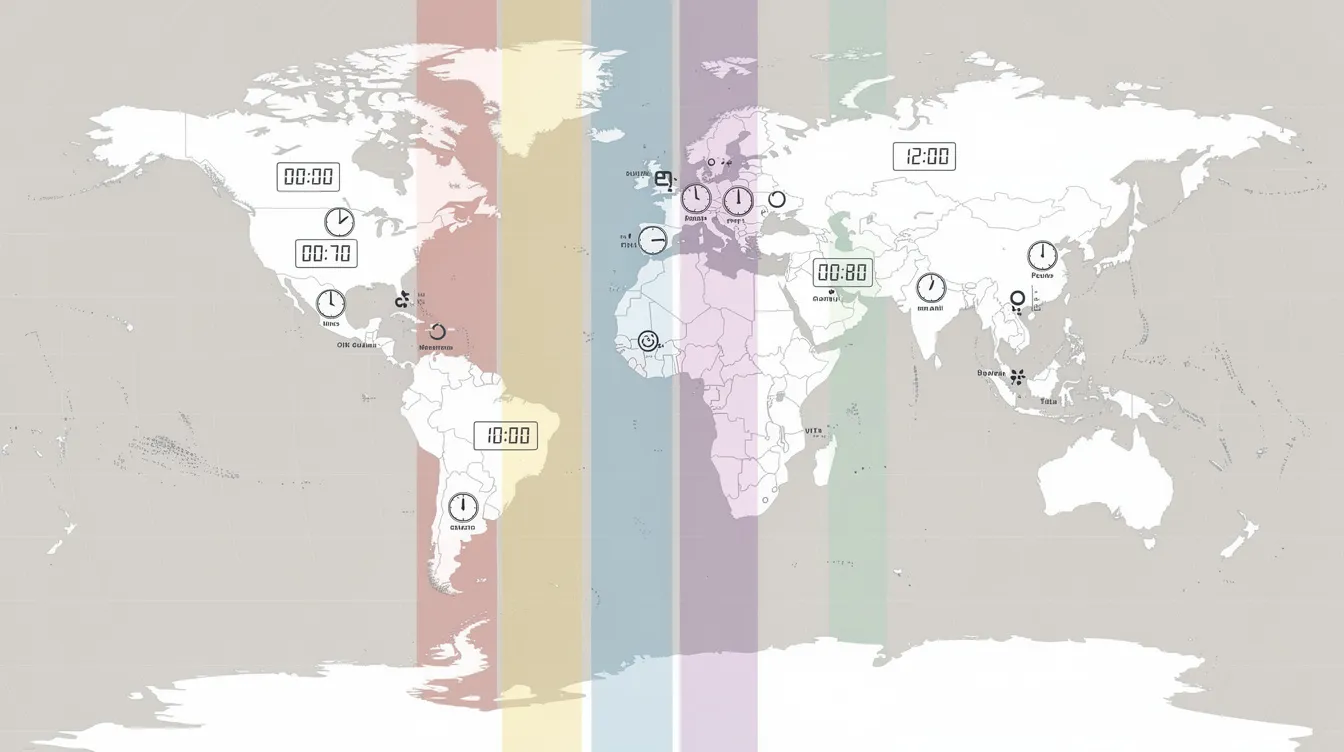
Time-zone overlap: Working in Central and South American time zones enables real-time collaboration with U.S. hiring managers. No async delays on next steps or interview scheduling.
Bilingual professionals: Bilingual professionals are essential for U.S. companies hiring in Latin America. They enhance communication in diverse teams and improve team collaboration and innovation. Companies with bilingual staff report 30% higher customer satisfaction, and bilingual employees can increase market reach by 50%. Bilingualism can also lead to a 20% increase in job opportunities for the professionals themselves.
Cost savings: You can build a bigger recruiter team or extend coverage for the same budget as one or two U.S. hires, often saving 40–65%.
Talent quality: Access recruiters with experience supporting U.S. and global companies across tech, finance, operations, and human resources, with exposure to opportunities at top employers.
Wow Remote Teams specializes in nearshore staffing and employer-of-record support across Latin America.
Hire Your Recruiter Team with Wow Remote Teams
Wow Remote Teams is a trusted partner for building dedicated remote recruiter teams quickly, without legal or payroll complexity. Over 80% of placed candidates remain with their organizations after four years, reflecting the quality of vetting and match.
10,000+ vetted professionals in the talent network
77% long-term retention in recruiter and coordinator roles
98% client satisfaction across engagements
“We received three qualified recruiter candidates within days of the first meeting and filled critical roles faster than we expected.” – Nicole Spencer
Wow offers staffing, staff-to-hire, and direct hire for recruiter roles, sourcers, and recruiting coordinators supporting U.S. companies. Every hire is backed by a replacement guarantee and honest, transparent pricing with no long-term contracts.
Ready to hire a recruiter team? Book a free 15-minute call to define your recruiter needs and see a shortlist of vetted candidates within a few business days.
FAQs
What is the difference between a recruiter and a sourcer?
A recruiter handles the full hiring process: intake with the hiring manager, screening, managing the interview process, collecting feedback, and extending the job offer. A sourcer focuses on research, talent mapping, Boolean search, and building candidate pipelines at the top of the funnel. In many teams, sourcers support multiple recruiters, especially on hard-to-fill or executive search roles where finding the right person requires dedicated outreach to passive candidates.
How many recruiters does my company need?
The answer depends on hiring volume, role complexity, and whether you also have sourcers and coordinators. Use your recent hiring volume (hires per quarter) as a starting point, and remember you can start with one recruiter for a current opening and scale later for a future need. A good fit for a small organization might be one recruiter handling a handful of roles, while a large company may need dozens. Wow Remote Teams can start with one recruiter and scale up or down as demand for each new role or new job changes – no long-term commitment required.
How are dedicated recruiters different from RPO?
With dedicated recruiters, you manage daily work and the whole process. They work inside your ATS, follow your hiring process stages, and join your team meetings. With RPO, the provider controls overall process design and execution on your behalf – a consultative approach where they leverage their own expertise, tools, and methodology. Wow Remote Teams focuses on dedicated nearshore recruiter models. If you want to compare both approaches, explore our articles on top staffing agencies to hire recruiters and outsourcing benefits.
Can nearshore recruiters work in our ATS and on our schedule?
Yes. Wow Remote Teams’ recruiters routinely work in clients’ existing ATS platforms (Greenhouse, Lever, Workable, and others) and sourcing tools. Latin American recruiters align with U.S. time zones and typical business hours for real-time collaboration. Specifics like schedule, tools, access, and support resources are all set during onboarding to ensure a seamless start – so your new recruiter can hit the ground running in your life and workflow from the first week.


