

If you are budgeting a Digital Content Creator hire in 2026, plan for roughly $90,000 to $135,000 in total employer cost, not just the $61,980 to $76,000 average annual salary you will see on most salary sites. That base figure draws from Robert Half Creative Group data for comparable content marketing and digital content roles, and it is the starting point, not the finish line. What hiring managers routinely underestimate are the layers stacked on top: payroll taxes, health insurance, creative software, equipment, and the overhead of recruiting someone whose work touches blogs, video content, email, social media management, and content strategy all at once.
This guide delivers what most salary pages skip. You will find 2026 U.S. compensation benchmarks broken down by experience level and geographic market, a clear walk-through of fully loaded employer costs, state-by-state salary ranges, and a side-by-side nearshore comparison showing what it costs to hire a vetted Digital Content Creator from Latin America through Wow Remote Teams. Every number is framed from the employer’s side of the budget, because that is the side that writes the check.
What Does a Digital Content Creator Cost to Hire in 2026?
In 2026, U.S. employers typically pay about $90,000 to $135,000 per year in total employer cost to hire a mid-level Digital Content Creator, based on an average base salary of roughly $61,980 to $76,000 plus payroll taxes, benefits, equipment, and overhead. Full-time digital content creator salaries generally fall between $51,900 and $66,000 at the median for roles focused on content creation and production, but full-time salaries depend heavily on role scope and complexity. The U.S. creator economy is valued at over $200 billion, which means employers are competing for skilled talent in a market that continues to grow. Regular budget estimates suggest that businesses should budget well beyond salaries when hiring digital content creators because total employment costs can reach 1.25x to 1.4x an employee’s base salary. At a $70,000 base, that translates to roughly $33.65 per hour assuming 2,080 working hours per year, but the employer’s real per-hour cost climbs once the full stack is included.
Here is how base salary becomes total employer cost. The employer’s basic FICA burden is 7.65% of salaries, which influences overall hiring costs before any voluntary benefits are added. According to SHRM benchmarks, benefits average roughly 29.6% of total compensation for private-industry workers, meaning the total cost typically runs 25 to 40 percent above base salary. Payroll taxes and benefits typically add 15% to 30% on top of the base salary at a minimum, and that figure grows when you add tools and recruiting spend. The cost stack most employers build looks like this:
-
Base salary ($51,900 to $76,000 for a mid-level creator depending on scope)
-
Employer payroll taxes (Social Security, Medicare, federal and state unemployment)
-
Health and benefits contributions (medical, dental, vision, retirement match)
-
Equipment and creative software (Adobe Creative Cloud, cameras, microphones, AI tools, prompt engineering platforms)
-
Recruiting and onboarding (job board fees, recruiter hours, portfolio review, content test projects)
-
Administrative overhead (HR administration, office or remote-work stipends, management time)
Digital Content Creator Salary Benchmarks by Experience Level
Employers who lump all digital content roles into a single salary line are budgeting blind. The gap between an entry level creator executing a content calendar and a senior creator owning end-to-end content strategy, video production skills, and team leadership is significant, and so is the cost. AI skills are now essential for content creator roles in 2026, and AI-driven content roles see significant salary increases, which widens the spread further. AI proficiency alone adds 15 to 22% to content creator salary benchmarks, and content creators with AI skills earn 40 to 50% more than peers without them. Video production skills add another 15 to 30% to content creator compensation, and a bachelor’s degree can increase a content creator’s salary to approximately $63,878 as a baseline.
|
Experience Level |
Base Salary Range |
Total Employer Cost |
What This Level Typically Owns |
|---|---|---|---|
|
Entry level |
$43,872 to $56,324 |
$54,840 to $78,854 |
Executes a content calendar and produces assets under a manager; handles basic graphic design, social media posts, and scheduling; follows brand guidelines with close oversight |
|
Mid level |
$58,000 to $87,592 |
$72,500 to $122,629 |
Manages content production across multiple channels; owns social media management and video editing workflows; collaborates on content strategy; uses AI tools and data analysis independently |
|
Senior level |
$87,592 to $113,400 |
$109,490 to $158,760 |
Leads content strategy and content marketing programs; oversees multimedia storytelling, video content, and cross-channel campaigns; mentors junior creators; drives engagement metrics and lead generation |
Base salary ranges are sourced from 2026 content creator compensation data aggregated across U.S. job postings. Total employer cost applies the SHRM-benchmarked burden rate of 25 to 40 percent above base. Entry-level digital content creators also appear in some datasets at $41,500 to $53,500, reflecting significant variation across industries and regions.
Employers should anchor offers around the median rather than the arithmetic average. The median annual salary for content creators is $66,320 in 2026, and it resists distortion from the extremes: the top 1% of professional creators often earn around $1.2 million annually driven by diverse revenue streams and brand sponsorships, while approximately 50% of active creators earn less than $5,000 a year, viewing content creation as a hobby. Nearly 45.6% of American creators earn between $10,000 and $100,000 annually. The arithmetic average gets pulled by both tails. For budgeting, the median gives hiring managers a more honest anchor. Most employers filling an in-house Digital Content Creator position are hiring at the mid level, expecting a blend of content production, platform management, and some content strategy ownership. Content creators with 15 or more years of experience earn approximately $73,563 annually, a figure that suggests diminishing returns on seniority premium relative to specialized skills like prompt engineering or technical SEO. Hiring a U.S. employee in a content role costs $75,000 to $95,000 annually once you move past entry level positions.

Digital Content Creator Salary by State
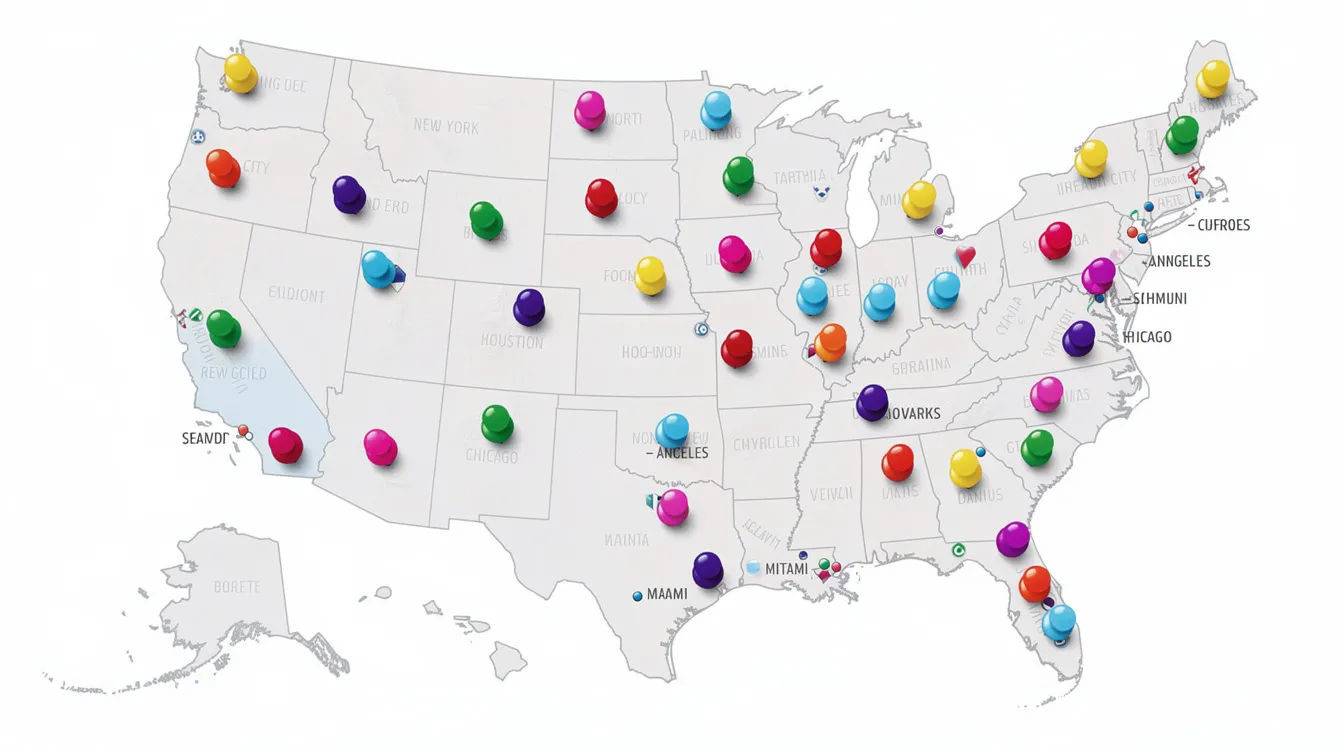
Compensation for Digital Content Creators varies sharply by geography in 2026. Cost of living, industry concentration, and local demand for content marketing and digital marketing talent all drive significant variation in salary ranges across the country. Content creators in technology sectors earn 15 to 25% more than those in retail, which means a creator in a tech-heavy state commands higher compensation even at the same experience level. The data below is state-level, drawn from 2026 job postings and compensation surveys for in-house content creator roles.
The five highest-paying states for Digital Content Creators in 2026:
-
California: ~$147,500 median base (tech hub, media concentration, high cost of living)
-
New York: ~$127,500 median base (media, finance, agency density)
-
Arizona: ~$124,650 median base (growing tech corridor)
-
Massachusetts: ~$115,000 median base (biotech, education, strong digital marketing sector)
-
Florida: ~$117,000 median base (emerging content production hub)
|
State |
Average Base Salary |
Estimated Total Employer Cost |
Notes |
|---|---|---|---|
|
California |
$147,500 |
$184,375 to $206,500 |
Strong tech sector, highest cost of living |
|
New York |
$127,500 |
$159,375 to $178,500 |
Media and agency concentration |
|
Arizona |
$124,650 |
$155,813 to $174,510 |
Growing tech corridor |
|
Florida |
$117,000 |
$146,250 to $163,800 |
Emerging content and production hub |
|
Massachusetts |
$115,000 |
$143,750 to $161,000 |
Biotech, education, digital marketing demand |
|
Colorado |
$112,500 |
$140,625 to $157,500 |
Tech sector, pay transparency laws |
|
Washington |
$105,000 |
$131,250 to $147,000 |
Tech and e-commerce; state average also reported at $79,450 to $83,784 for broader content roles |
|
Texas |
$86,050 |
$107,563 to $120,470 |
Lower cost of living, large employer base |
|
Minnesota |
$80,000 |
$100,000 to $112,000 |
Lower cost market, fewer content-specialized employers |
Content creators in Washington earn an average of $79,450 annually in broader role definitions, while Washington State has the highest average content creator salary at $83,784 when looking at the full content creator category beyond strictly digital content. The gap between the top posted salary figures and broader averages reflects how job scope and industry knowledge drive creator salary within the same state.
For employers, the geography decision is also a budget decision. Hiring outside premium markets like California or New York can save $40,000 to $60,000 in base salary alone, and the total employer cost gap widens further. The trade-off is a smaller local candidate pool, but remote hiring policies can offset that entirely, especially when employers are open to remote talent across the U.S. or in nearshore markets where qualified professionals work in overlapping time zones.
Remote, Hybrid, and On-Site: What Each Costs an Employer
Work model decisions for Digital Content Creators directly influence both salary level and total employer cost, especially when employers use geography-adjusted pay policies instead of flat national bands. Hiring models for content creators can include full-time employees, freelancers, or hybrid teams, and each model carries its own compensation logic. The estimated salaries for digital content creators in the United States vary based on experience, specialization, and where the work gets done.
Fully Remote
Employers who set national pay bands for fully remote Digital Content Creators simplify budgeting and open up the candidate pool to top talent across multiple states and, if policy allows, into nearshore markets like Latin America where time zone alignment is strong. National bands can still include discreet location multipliers, but they reduce the administrative friction of managing dozens of metro-specific pay tiers. Fully remote setups eliminate office overhead but keep equipment and creative software costs constant, since producing content for blogs, video, and social channels requires the same cameras, microphones, and Adobe licenses regardless of where the creator sits. Employers who extend remote hiring to Latin America gain access to experienced professionals and can scale efficiently without competing in overheated U.S. markets.
Hybrid
Hybrid Digital Content Creators are typically paid based on the home-office metro band, which anchors compensation to the nearest major city. This narrows the candidate pool to commuting distance, and in expensive metros, that geographic constraint can increase salary pressure despite minor savings on remote work stipends. The upside is that hybrid schedules improve collaboration on content planning, creative reviews, and content strategy sessions, particularly for roles that require frequent interaction with design teams, videographers, or marketing leadership. For employers, hybrid is a middle path that balances cost with proximity but limits access to the broader geographic market.
On-Site in a Premium Market
On-site Digital Content Creators in premium markets like San Francisco, New York, or Los Angeles command the highest base salaries due to cost of living and fierce competition from tech companies, media firms, and agencies all vying for creators proficient in video editing, graphic design, and multimedia storytelling. Additional overhead such as office space, in-office perks, and city-specific taxes layers onto base salary and benefits, pushing total compensation well above national medians. Some employers reserve these high-cost seats for senior creators who double as content strategists or creative leads, turning what would otherwise be a production hire into a strategic investment.
The honest bottom line: remote pay can sit below, at, or above on-site pay depending entirely on company policy. Employers must define their compensation philosophy before benchmarking a Digital Content Creator role, because the same title at the same seniority can carry a $40,000 spread based on nothing more than where the creator opens their laptop.
The Hidden Costs of Hiring a Digital Content Creator
The salary line is only part of the real budget. Hidden costs tied to content production workflows and brand-voice mastery can materially change the return on a Digital Content Creator hire, and most compensation benchmarks ignore them entirely. Total employer investment by tier can significantly exceed base salaries due to overhead and benefits, and employer costs for hiring digital content creators also vary based on follower tier and engagement metrics when the role includes social media management or sponsored content.
Cost of the open seat. Every week a Digital Content Creator role stays unfilled, content calendars stall, social channels go dark, and campaign deadlines slip. For a company running an always-on content marketing engine, a vacant seat can cost the equivalent of missed lead generation, reduced organic traffic, and a target audience that drifts to competitors with a steadier publishing cadence. Even a four-week gap means four fewer blog posts, dozens of missed social posts, and potentially one or two delayed successful campaigns.
Time to fill. According to SHRM benchmarks, average time to fill for marketing and creative roles often exceeds 40 days. Digital Content Creator roles can push longer because of portfolio review, video editing assessments, and content strategy exercises that add days to each round. Hiring costs for specialized roles can exceed $10,000 when extended timelines are factored in.
Cost per hire. Recruitment expenses average $4,700 per hire in 2026 according to SHRM data, covering job board spend, recruiter time, and panel interview hours. For content creators, add the time spent reviewing writing samples, evaluating portfolio quality, scoring video edits, and running content test projects. For a deeper look at structuring this process, see the Digital Content Creator job description and hiring guide.
Turnover and replacement cost. SHRM research indicates replacing an employee can cost 50 to 60 percent of annual compensation or more. For content creators, turnover is especially expensive because brand-voice knowledge, style guides, audience insights, and deep understanding of the company’s content strategy walk out the door. Rebuilding that institutional memory takes months, not days.
Ramp time. A new Digital Content Creator typically needs weeks to months before they are fully productive on brand voice, tech stack, AI tools, and platform management. The exact ramp period varies by company complexity (data pending research for a precise figure), but employers producing high quality content across multiple channels should assume at least 60 to 90 days before the hire is operating at full speed. For a step-by-step approach to reducing ramp time, see how to hire a content creator.
These hidden costs are exactly why many employers compare U.S. hiring to nearshore staffing when building a content production engine, and the next section lays out that comparison in dollars.
U.S. vs. Nearshore: Total Cost Comparison for a Digital Content Creator
U.S. companies increasingly compare domestic Digital Content Creator hiring to nearshore staffing in Latin America to control total employer cost without sacrificing the quality of content production. Hiring LATAM creators can save companies 60 to 75% in costs compared to a direct U.S. hire at the same level. Latin American creators save U.S. companies 60 to 75% on costs by combining lower regional wage benchmarks with strong creative output.
|
Role Level |
U.S. Total Employer Cost (Annual) |
Nearshore Cost Through Wow (Annual) |
Estimated Annual Savings |
|---|---|---|---|
|
Entry level |
$54,840 to $78,854 |
$25,000 to $31,200 |
$29,840 to $47,654 |
|
Mid level |
$72,500 to $122,629 |
$31,200 to $45,000 |
$41,300 to $77,629 |
|
Senior level |
$109,490 to $158,760 |
$45,000 to $62,400 |
$64,490 to $96,360 |
Nearshore figures are derived from Wow Remote Teams’ published pricing for marketing roles, which start from approximately $15 per hour for mid-level professionals. At 2,080 annual hours, that equals roughly $31,200 per year before any adjustments for seniority or specialized skills. These numbers reconcile with Wow’s current staffing model and do not imply unrealistic rates.
The cost gap exists because of regional wage differences and cost of living between the U.S. and Latin America, not because of a difference in talent caliber. Latin American universities produce 200,000 marketing graduates annually, creating a deep bench of qualified professionals with industry knowledge across multiple industries. LATAM creators command 30 to 50% premiums for English proficiency, which means the strongest bilingual candidates are already compensated above local baselines, reflecting their specialized skills and deep expertise. English proficiency adds 30 to 50% salary premiums for LATAM creators relative to local-market rates.
What does not change when hiring through Wow: English fluency, alignment with U.S. time zones, and the seniority and portfolio quality of the creative talent pool. LATAM creators provide real-time collaboration due to time zone alignment, which eliminates the overnight handoff problem that plagues offshore models in Asia or Eastern Europe. Companies report 75 to 85% success rates with LATAM creator hires, and bilingual creators enhance engagement with U.S. Hispanic audiences, a growing segment that many content strategies underserve. Wow operates strictly as a nearshore staffing partner, handling sourcing, vetting, and account management so employers can focus on content strategy and brand direction.

In-House, Agency, or Nearshore Staffing: Which Model Fits
The core decision for U.S. employers is whether to hire a Digital Content Creator as a direct in-house employee, outsource to a U.S. creative agency, tap a freelance marketplace, or use nearshore staffing through Wow Remote Teams. Each model has a different cost structure, ramp timeline, and management overhead. Hiring a freelance creator may eliminate benefit costs but typically comes with higher hourly rates and less consistency. The global influencer marketing segment is valued at roughly $32 billion to $34 billion, which means freelance graphic designers and independent creators have no shortage of alternative income sources, and that competition for their attention can make freelance arrangements unpredictable for employers who need always-on content.
|
Model |
Typical Cost |
Time to Fill |
Management Overhead |
Best Fit When |
|---|---|---|---|---|
|
Direct U.S. hire |
$72,500 to $158,760/year fully loaded |
35 to 60+ days |
Low once onboarded |
You need a dedicated creator embedded in your brand long-term and can absorb full benefits cost |
|
U.S. creative or content agency |
$8,000 to $25,000+/month retainer |
1 to 2 weeks to kick off |
Medium; requires project briefs and review cycles |
You need high-stakes campaign work, multimedia storytelling, or a burst of content production that does not justify a full-time seat |
|
Freelance marketplace |
$35 to $100+/hour per project |
Days to 1 week |
High; coordination across job seekers and contractors |
You need a single asset like one video, one landing page, or a short-run project with clear deliverables and no upfront fees beyond the project rate |
|
Nearshore staffing through Wow |
$25,000 to $62,400/year |
1 to 2 weeks to present candidates |
Low; Wow handles sourcing, vetting, account management |
You need ongoing, consistent content output at scale with cost efficiency, bilingual capabilities, and same time-zone overlap |
Wow Remote Teams offers three engagement models by name. Staffing places a Digital Content Creator on an ongoing basis, ideal for companies running a continuous content calendar that a single freelancer cannot sustain. Direct Hire is for employers who want to build a permanent internal team with Latin American talent and need Wow to source and vet the right candidate. Staff-to-Hire lets employers trial a creator before committing to a long-term engagement, reducing the risk of a poor fit during the brand-voice ramp period.
Nearshore staffing is the right call for a specific scenario: an always-on content strategy with a constrained U.S. budget that still demands consistent, high quality digital content and the competitive advantage of bilingual capabilities across multiple countries. When the role requires producing content daily across social, blog, and video channels, and the fixed costs of a U.S. hire strain the budget, nearshore staffing through Wow delivers experienced professionals at a fraction of the cost without the talent scarcity pressure that slows domestic hiring. To explore the numbers for your specific team size, see Wow’s current pricing and engagement models.
Hiring a Digital Content Creator in Latin America: What U.S. Employers Should Know
Before hiring a Digital Content Creator in Latin America, U.S. employers typically ask four questions: How does worker classification work across borders? Are contracts enforceable? Who owns the content and brand assets the creator produces? And how do you actually manage someone producing content in another country day to day?
The employer remains responsible for setting goals, giving feedback, integrating the creator into the brand’s content strategy, and ensuring that digital content meets quality standards for the target audience. What a staffing partner like Wow takes off your plate is the sourcing, vetting, candidate matching, contracting support, and ongoing account management for the engagement. Wow pre-screens bilingual Digital Content Creators for skills in content strategy, social media, video editing, AI tools, data analysis, graphic design, and content production so U.S. clients do not have to run separate vetting pipelines in each country. Latin American universities produce 200,000 marketing graduates annually, and that pipeline means Wow has a deep bench of candidates with a track record across digital marketing, technical SEO, and content marketing.
LATAM creators work in similar time zones as U.S. companies, which means content reviews, creative standups, and campaign launches happen in real time rather than on an overnight lag. For employers with detailed structural or cross-border questions about building a content team in Latin America, a conversation about their specific content marketing needs is the fastest way to get clear answers.
Frequently Asked Questions
What is a competitive offer for a Digital Content Creator in 2026?
A competitive total compensation package for a mid-level U.S. Digital Content Creator in 2026 falls in the range of $72,500 to $122,629 when you include base salary, benefits, and overhead. What counts as “competitive” depends on location, whether the role includes content strategy ownership, and whether the employer values AI skills, technical complexity, or video production skills. For scope-related questions, a Social Media Content Creator guide can help clarify where boundaries fall.
How much does it cost to hire a Content Creator including benefits and taxes?
Employers typically pay 25 to 40 percent above base salary once they factor in payroll taxes, health insurance, retirement contributions, software, equipment, and administrative overhead, based on SHRM benchmarks. At a $66,320 median base, that means total annual compensation for an employer runs roughly $82,900 to $92,848. See the total employer cost breakdown earlier in this guide for a full worked example.
How long does it typically take to hire a Digital Content Creator?
Expect 35 to 60 or more days to fill a Digital Content Creator role through traditional U.S. recruiting. Creative roles skew longer than average because of portfolio review, writing samples, video editing tests, and content strategy exercises. Through nearshore staffing with Wow Remote Teams, employers typically see vetted, shortlisted candidates within one to two weeks, compressing the timeline significantly. For a complete hiring walkthrough, see the how to hire a content creator guide.
Is it cheaper to hire a Content Creator through nearshore staffing?
Yes. Nearshore staffing through Wow usually lowers total annual cost for a Digital Content Creator compared with a direct U.S. hire, given lower base compensation benchmarks in Latin America and reduced administrative overhead for the client. The U.S. vs. nearshore comparison table above shows specific dollar savings by level. Those savings are reinvestable into content strategy, tools, distribution, or additional headcount to scale efficiently.
What is the hourly rate for a Digital Content Creator?
For in-house U.S. Digital Content Creators, hourly equivalents range from roughly $21 to $55 per hour based on annual salary bands of $43,872 to $113,400 divided by 2,080 working hours. The employer-side cost per hour is higher compensation once benefits and payroll taxes are included. Nearshore hourly equivalents through Wow start from approximately $15 per hour for marketing roles while maintaining English fluency and digital content quality, with detailed figures in the sections above. Mid-level content creators earn between $55,000 and $83,200 annually in many U.S. markets, translating to roughly $26 to $40 per hour before employer burden. In 2026, employer costs for hiring a junior, mid-level, or senior digital content creator can range significantly based on salary and benefits.
Hire a Vetted Digital Content Creator From Latin America
If your content calendar needs a dedicated creator and your budget cannot absorb $100,000 or more in total employer cost, Wow Remote Teams can help. Interview vetted, bilingual Digital Content Creator candidates from Latin America who are pre-screened for content strategy, video editing, graphic design, and AI skills. Wow typically presents a shortlist of qualified professionals within one to two weeks. These creators deliver consistent content production in your time zone with the portfolio quality and deep understanding of digital marketing that your brand requires.


